Poker is a card game that has captured the attention of millions of people around the world. However, the line between entertainment and addiction can be very thin. Poker addiction is a serious problem that can negatively affect a person’s life in multiple ways. Below, we will mention some signs that should not be ignored to identify poker addiction.
Constant obsession
Despite being one of the most explicit symptoms of poker addiction, constant obsession with the game is sometimes apparent, but sometimes not. The person constantly thinks about poker, planning games, analyzing strategies, and reliving past plays. While this behavior may be accepted by people who want to improve their level of play, the problem lies when this obsession interferes with daily responsibilities and personal relationships.
Inability to control the urge
The inability to stop gambling is another critical symptom. Despite attempts to reduce or stop gambling, the person feels unable to control their impulses. They experience anxiety and irritability when unable to gamble. A person addicted to poker will continue to play despite the negative consequences; even after suffering significant losses, they will keep returning to the gaming table in the hope of recovering what they have lost.
Need to play with higher stakes
The player must bet increasing amounts of money to feel the same thrill. As with other forms of addiction, people addicted to poker may develop a dissatisfaction with gambling. This means they need to bet increasing amounts of money to experience the same excitement and satisfaction. This escalation of gambling can lead to significant financial losses and the accumulation of debt.
One of the most devastating symptoms of poker addiction is financial problems; for example, addicted individuals may spend all their money on gambling, accumulate debt, and even resort to borrowing money to continue gambling. The resulting financial pressure can negatively affect all areas of their lives, including personal relationships and emotional well-being.
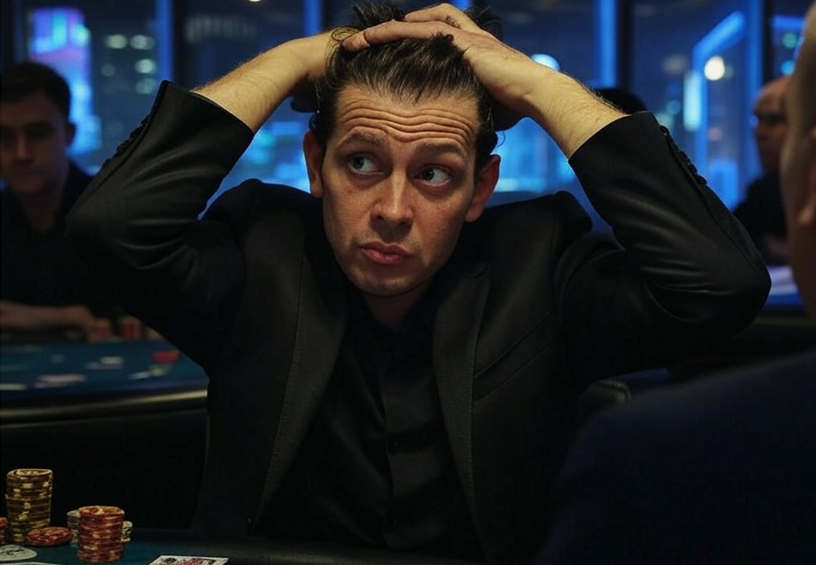
Deceptions about time and money
People addicted to poker often lie about the time and budget they devote to gambling. They may hide their gambling activities from family and friends, minimize losses, and exaggerate winnings. This “hiding” behavior is a clear indication that gambling has become a problem.
In some extreme cases, the addicted gambler may go so far as to steal or sell belongings to finance his addiction, and as for the time he spends gambling, he may make up stories to justify his absence because he is gambling.
Deterioration of relationships
Poker addiction negatively affects relationships with family and friends. The gambler becomes isolated and irritable and neglects his responsibilities. Poker can become a means of emotional escape for those suffering from some kind of problem. They may turn to gambling as a way to avoid personal problems, stress, anxiety, or depression. Poker provides a temporary distraction but does not address the underlying causes of these emotional problems.
Loss of interest in other activities
Poker addiction can lead to a loss of interest in other once pleasurable activities. Gambling becomes the primary source of satisfaction and pleasure, overshadowing other passions, hobbies, and responsibilities. This lack of interest in other areas of life can deteriorate the individual’s quality of life and mental health.
Denial of the problem
Despite the evidence, the gambler denies having an addiction problem. He minimizes the negative consequences of gambling and convinces himself that he can control it or quit at any time. However, when unable to gamble, the gambler experiences withdrawal symptoms, such as anxiety, irritability, insomnia, and depression.
What can be done if these symptoms are recognized?
Poker addiction is a serious problem that can have negative consequences. Recognizing the symptoms of addiction is the first step toward recovery. If any of these symptoms show up, seeking professional help to address the problem and find a path to recovery is crucial. Poker addiction affects not only the player but also their loved ones and environment, so recovery is possible only with the proper support and commitment to overcome the addiction.
What do you think about this topic? Do you want to know other symptoms of poker addiction?
If you want to find the best platform to play poker online, visit the following link to contact us.