Many people and poker players wonder what influences a poker game more: luck or skill. However, this discussion is several decades old in the industry, as there are different points of view on this topic. In this article, we will learn more about luck and poker skills.
The luck factor: Chance or fate?
Poker luck generally appears in every hand dealt since, in theory, any player can have a “lucky break” and win a big pot with a good hand. An example of this point is the typical story of a novice player taking an all-in that he did not expect because he received perfect cards. There are also days when a player may be dealt the worst cards, and when he thinks about giving up, he gets straight on the river. These types of situations are common, and because of this, some people believe that poker is a matter of luck. This thinking is what usually attracts many novice players, mostly thinking about getting rewards in the short term without thinking much about the long term.
The trick to winning in the long run
If a player only plays for luck, he is very likely to end up without resources or losing everything sooner or later. Players who win consistently usually do so because they understand that poker goes beyond the cards we receive.
The skill in poker is knowing when to fold, squeezing value out of good hands, minimizing losses when the situation is adverse, and emphasizing strategy. One thing that many players learn after being wrong several times is that if you don’t control your emotions, the problem will escalate. Even the best player in the world goes through rough patches, and what distinguishes good players is their emotional control in adverse situations.
Poker vs. other casino games: The house is not the enemy
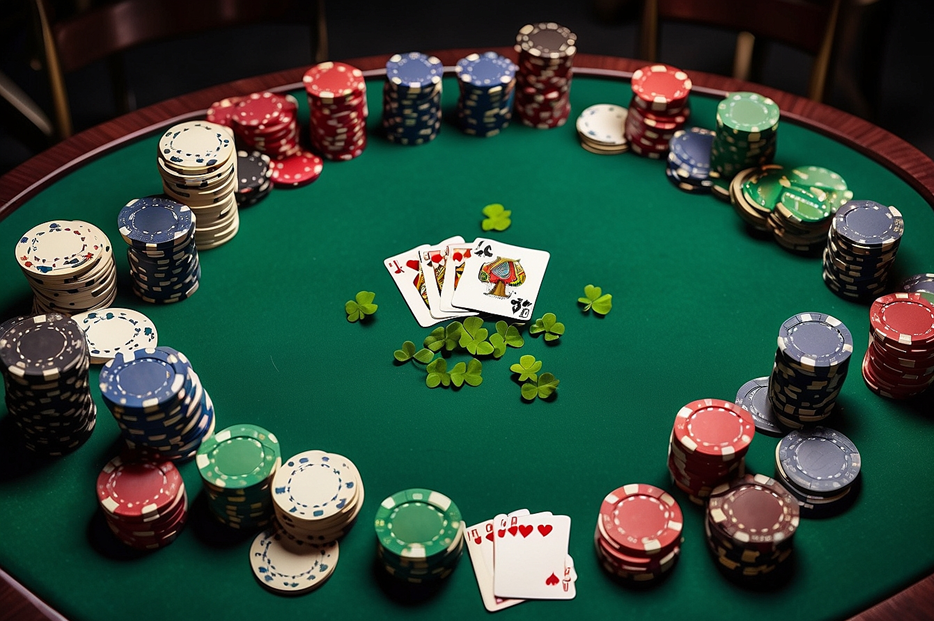
One of the significant differences between poker and other casino games is that in poker, we do not play against the house. For example, luck is everything in roulette, blackjack, or slots, and we always play against the house. The house always has the advantage in these games, especially considering the odds. In poker, on the other hand, we are up against other players, not the casino, and that is the key: if we play better than the others, we can come out on top.
While the poker room takes a commission (rake), poker is unique because the player’s skill is a determining factor. Everyone at the table is in the hands of luck when they receive their cards, but not everyone makes the same decisions. That is where the skill factor comes into play, as it allows a player to win consistently, especially in the long run.
Luck vs. skill: Who wins in the long run?
To understand poker is to accept that luck matters, but only in the short term since skill makes the difference when you add up the hands and think about the long term.
Some studies say that after 1,500 hands, the results depend more on how we play than on the cards we are dealt. In other words, anyone can win a hand or game by luck, but only players with skill and strategy win consistently.
Advanced poker players don’t get upset when they have a bad streak because they know that if they keep making good decisions, time will put things in their place. This mentality separates the winners from the losers and causes some players to have deep pockets while others go home with empty pockets.
Novice players and the illusion of luck
Many novice players think they can beat the more experienced players with a bit of luck. Sometimes, they can win a hand or a good pot, but in the long run, they usually make mistakes that tip the scales against them.
For advanced players, novice players are like bread and butter. If they were not there, the game would lose a lot of fun and money. The funny thing is that many casual players tend to blame bad luck when they fail. Instead of analyzing why they did things wrong, novice players prefer to think that fate was against them. Meanwhile, experienced players review each hand, adjust their strategy, and keep improving.
Luck for the short term and skill for the long term
We must take into account that poker is a very popular game globally because it combines luck with skill in a unique way. Luck tends to provide excitement in the short term, allowing any player to feel like the “king” of the table for a moment, but in the long run, skill is what makes the difference between winners (having a profitable game) and losers (having an unprofitable game), especially in the medium and long term.
What do you think about this topic? Do you know other behaviors of advanced poker players?
If you want to find the best platform to play poker online, visit the following link to contact us.